

As a supplier of Guyed Angle Steel Towers, I understand the critical importance of safe equipment installation on these structures. The Guyed Angle Steel Tower is a reliable and widely used option for various applications, including telecommunications, broadcasting, and lightning protection. In this article, I will share some essential guidelines and best practices on how to install equipment on a Guyed Angle Steel Tower safely.
Pre - installation Planning
Site Assessment
Before any installation begins, a thorough site assessment is necessary. Evaluate the terrain where the tower will be installed. Ensure that the ground is stable and can support the weight of the tower and the equipment. Check for any potential obstacles such as trees, power lines, or buildings that could interfere with the installation process or pose a safety risk later.
Tower Inspection
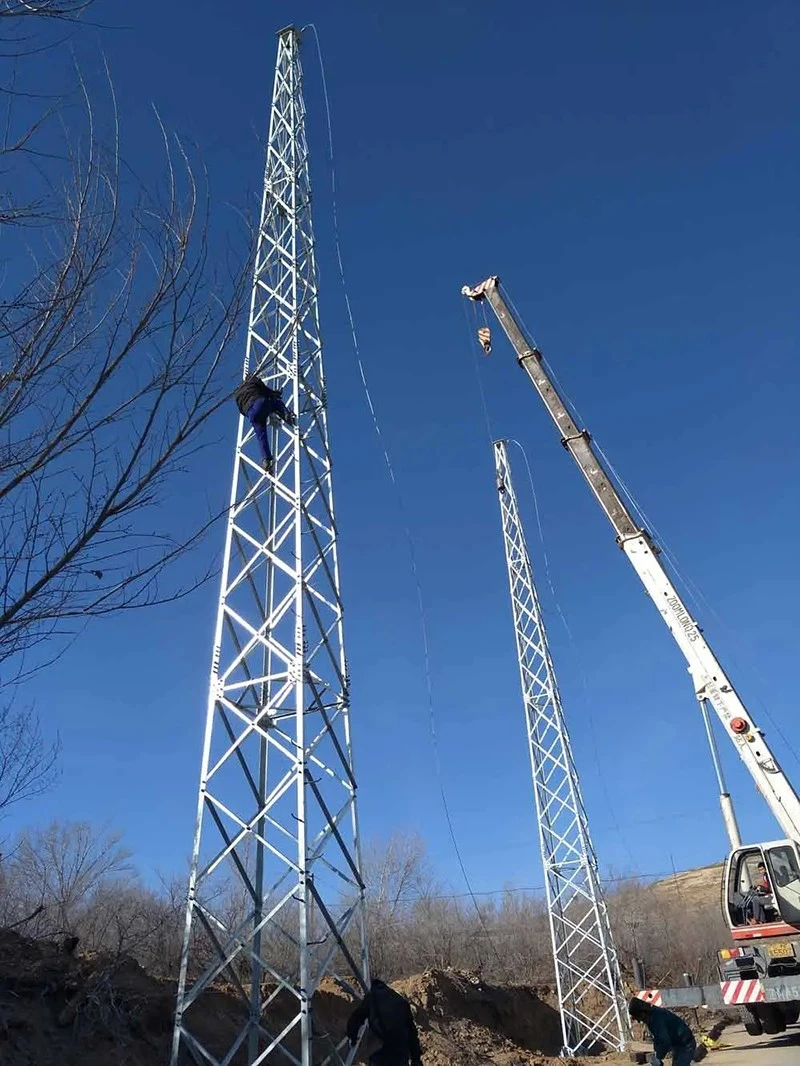
As a Guyed Angle Steel Tower supplier, we always ensure that our towers meet the highest quality standards. However, it's still crucial to conduct an on - site inspection of the tower before equipment installation. Check for any signs of damage during transportation, such as bent angles or loose bolts. Make sure that all the guy wires are properly tensioned and secure.
Equipment Compatibility
Ensure that the equipment to be installed is compatible with the Guyed Angle Steel Tower. Consider the weight, size, and mounting requirements of the equipment. For example, heavy - duty antennas may require additional support structures on the tower. Refer to the manufacturer's specifications of both the tower and the equipment to determine compatibility.
Safety Equipment and Training
Personal Protective Equipment (PPE)
All workers involved in the installation process should be equipped with appropriate PPE. This includes hard hats to protect against falling objects, safety harnesses for working at heights, safety glasses to protect the eyes from debris, and steel - toed boots to prevent foot injuries.
Training
Proper training is essential for all workers. They should be trained in tower climbing techniques, equipment installation procedures, and emergency response protocols. Training should cover how to use safety equipment correctly and how to identify and avoid potential hazards.
Tower Preparation
Surface Cleaning
Clean the surface of the tower where the equipment will be installed. Remove any rust, dirt, or debris to ensure a secure and stable mounting. Use appropriate cleaning agents and tools, such as wire brushes, to clean the steel surface.
Marking and Drilling
Accurately mark the locations for equipment mounting on the tower. Use a level and measuring tape to ensure proper alignment. When drilling holes for mounting, use the correct drill bits for the angle steel. Make sure to follow the manufacturer's recommendations for hole size and spacing.
Equipment Installation Steps
Lifting and Hoisting
For heavier equipment, use proper lifting and hoisting equipment. Cranes or winches can be used to lift the equipment to the desired height on the tower. Ensure that the lifting equipment is in good working condition and is rated for the weight of the equipment being lifted. Use slings or straps to secure the equipment during lifting to prevent it from swinging or falling.
Mounting
Once the equipment is at the installation site on the tower, carefully mount it according to the manufacturer's instructions. Use the appropriate bolts, nuts, and washers to secure the equipment. Tighten the fasteners to the recommended torque specifications to ensure a proper and secure fit.
Wiring and Connection
After the equipment is mounted, connect the wiring. Follow the wiring diagrams provided by the equipment manufacturer. Use proper cable management techniques to prevent the cables from becoming tangled or damaged. Secure the cables to the tower using cable ties or clamps.
Safety During Installation
Weather Conditions
Avoid installing equipment during adverse weather conditions such as high winds, heavy rain, or lightning. High winds can make it difficult to control the equipment during lifting and increase the risk of falls. Lightning is a significant danger when working on a tall structure like a Guyed Angle Steel Tower. Always check the weather forecast before starting the installation and have a contingency plan in case of sudden weather changes.
Guy Wire Safety
When working on the tower, be careful not to damage the guy wires. The guy wires are essential for the stability of the tower. If a guy wire is damaged, it can cause the tower to become unstable, leading to a potential collapse. Mark the guy wires clearly to avoid accidental contact during the installation process.
Fall Protection
Ensure that fall protection systems are in place at all times when workers are on the tower. Workers should be attached to a reliable anchor point using a safety harness. Anchor points should be rated for the weight and forces involved in a fall. Regularly inspect the fall protection equipment to ensure it is in good condition.
Post - installation Checks
Equipment Functionality
After the equipment is installed, test its functionality. Check for proper operation according to the equipment's specifications. Verify that all connections are secure and that there are no signs of malfunction.
Tower Integrity
Re - check the integrity of the tower. Check the tension of the guy wires and make any necessary adjustments. Inspect the tower for any new signs of damage or stress caused by the equipment installation.
Types of Lightning Towers and Their Advantages
As a supplier, we also offer a variety of lightning tower options, which can be used in conjunction with the Guyed Angle Steel Tower for enhanced lightning protection.
- Four Column Lightning Tower: This type of tower provides excellent stability and is suitable for larger areas. It can support more lightning protection equipment and is often used in industrial sites.
- Three Column Lightning Tower: It offers a good balance between stability and cost - effectiveness. It is a popular choice for medium - sized areas such as small factories or agricultural fields.
- Monopole Lightning Tower: This tower is known for its simplicity and compact design. It is suitable for areas with limited space and can be easily installed.
- Angle Steel Lightning Tower: Similar to the Guyed Angle Steel Tower, it is made of angle steel, which provides durability and strength. It can be customized according to specific requirements.
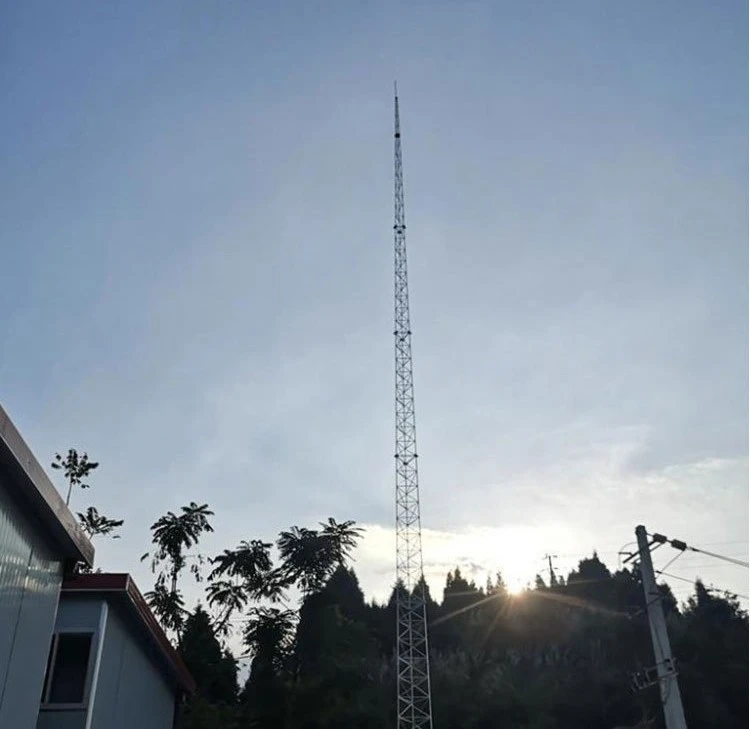
- Guyed Angle Steel Tower: Our Guyed Angle Steel Tower is designed to withstand harsh environmental conditions and provide long - term stability. It is an ideal choice for a wide range of applications.
Conclusion
Installing equipment on a Guyed Angle Steel Tower safely requires careful planning, proper training, and strict adherence to safety protocols. By following the guidelines outlined in this article, you can ensure a successful and safe installation process. At our company, we are committed to providing high - quality Guyed Angle Steel Towers and other lightning protection solutions. If you are interested in purchasing our products or need more information about equipment installation on our towers, please feel free to reach out to us for a procurement discussion.
References
- Industry standards for tower installation and safety.
- Manufacturer's manuals for Guyed Angle Steel Towers and equipment.
- Safety guidelines from relevant safety organizations.