

Lightning arresters, as crucial devices protecting buildings, facilities, and personnel from lightning strikes, require careful design that fully considers the impact of environmental factors on their lightning protection effectiveness. Different regions have varying climates, topography, soil properties, and surrounding building layouts, all of which directly affect the protective performance of lightning arresters. Therefore, lightning arrester manufacturers must scientifically analyze environmental parameters and specifically optimize tower structure, material selection, and installation methods to improve lightning protection efficiency and reliability. For example, in windy coastal areas, the tower needs enhanced wind resistance; in mountainous areas prone to lightning strikes, the protection range needs to be expanded; and in areas with high soil resistivity, the grounding system design needs to be optimized. These environmentally adaptable designs are key to ensuring the long-term stable operation of lightning arresters.
Topography and climate are primary considerations in lightning arrester design. In plains areas, lightning activity may be "direct strike," requiring lightning arresters to attract lightning with their vertical height advantage and quickly discharge current through a well-designed down conductor layout. In this case, a single-tube or mast-type structure can be used to reduce wind resistance while maintaining height. In mountainous or hilly areas, lightning strikes may frequently occur sideways or around objects due to topographic uplift. In such cases, multi-branched towers or structures with extension arms are necessary to expand the horizontal protection range. For example, some manufacturers design "Y"-shaped or "tree-branch" shaped towers, increasing the number of branches at the top to cover a larger area of protected objects.
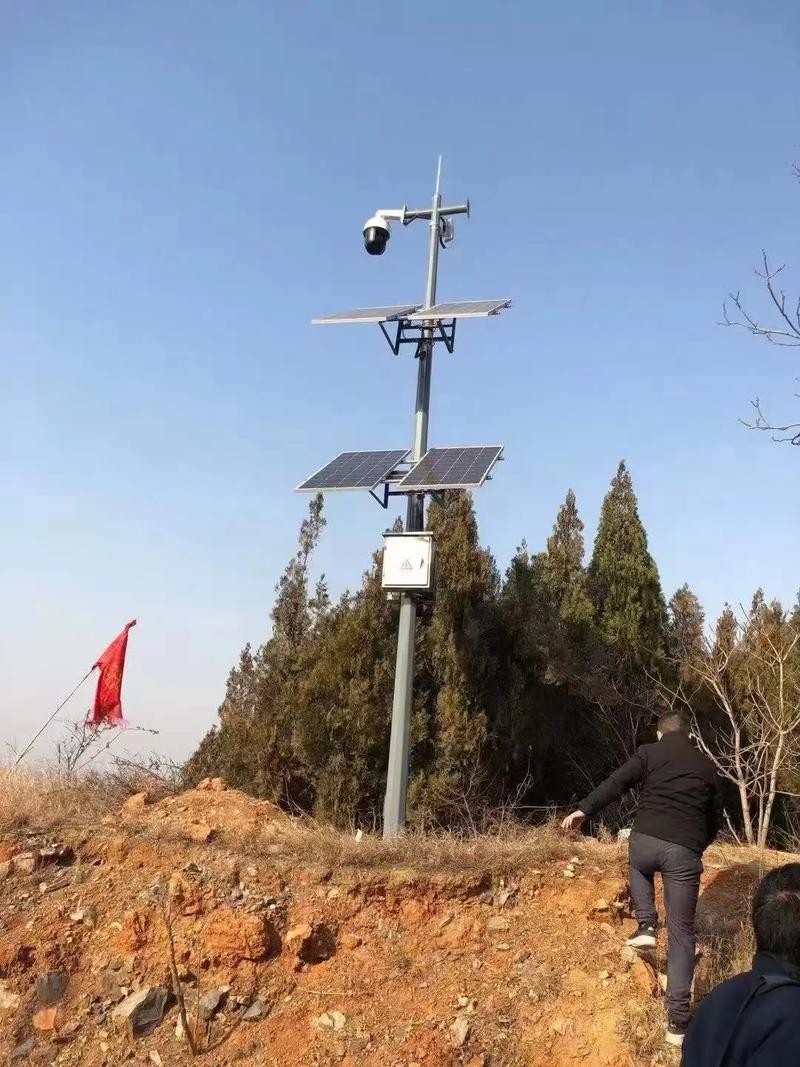
Climatic conditions are equally critical. In rainy and humid regions, metal towers are prone to corrosion, leading to a decrease in structural strength. Therefore, weathering steel or hot-dip galvanizing processes are required, along with increased anti-corrosion coating thickness. In arid regions with frequent sandstorms, tower joints must be sealed to prevent sand intrusion that could affect the flexibility of rotating parts. Furthermore, in high-temperature regions, the coefficient of thermal expansion of materials must be considered to prevent tower deformation due to temperature differences; in extremely cold regions, low-temperature toughness materials must be selected to prevent brittle fracture. One manufacturer, when designing lightning protection towers for the Qinghai-Tibet Plateau, simulated material properties at -40℃ and ultimately selected special alloy steel to ensure the tower's stability at extreme low temperatures. The grounding system of a lightning arrester is a crucial channel for discharging lightning current, and its performance is directly affected by soil resistivity, water content, and underground structure. In areas with low soil resistivity (such as wetlands and paddy fields), the grounding resistance is easily met, and a conventional ring grounding grid can be used. However, in rocky or sandy soil areas, the grounding resistance may far exceed the standard value, requiring special processes such as deep well grounding, ion grounding electrodes, or chemical resistance-reducing agents to lower the resistance. For example, in a project in the Gobi Desert in Northwest China, a manufacturer reduced the grounding resistance from 300Ω to below 10Ω by drilling a 20-meter-deep well and filling it with low-resistivity material, significantly improving the discharge efficiency.
Furthermore, soil corrosivity is also an important consideration. In coastal areas with high salinity, the grounding electrode needs to be made of copper-clad steel or stainless steel with an added anti-corrosion layer; in acidic soil areas, acid-resistant materials or cathodic protection technology must be used. When designing lightning protection towers for a chemical plant, a manufacturer discovered through soil sampling analysis that the pH value was only 4.2. Ultimately, 316L stainless steel grounding electrodes were chosen, along with sacrificial anode protection, extending the system's lifespan to over 20 years. These detailed design details demonstrate the manufacturer's deep adaptability to environmental factors.
Lightning protection tower design is a precise game of "environmental adaptability." From topography and climate characteristics to soil properties and lightning activity patterns, every variable needs to be quantified, analyzed, and transformed into design parameters. Manufacturers need to establish comprehensive environmental databases, combining simulation software with field testing to continuously optimize tower structure and material selection. Collaborating with meteorological departments and geological exploration units to obtain more accurate regional data is also crucial for improving the scientific rigor of the design. In the future, with the development of IoT technology, intelligent lightning protection towers may be able to monitor environmental changes in real time through sensors and dynamically adjust protection strategies, bringing new breakthroughs to the field of lightning protection.